Living Connections: Reflections on the 2026 Heritage BC Conference
Reflections on the 2026 Heritage BC Conference (May 4–6, Sea to Sky region) by Louisa Plant, Senior Manager in our Vancouver office.
One of the biggest takeaways from this year’s excellent Heritage BC conference was that heritage isn’t just something we preserve, it’s something we practice.
Looking back at all the inspiration, learning, and new connections at the event, these themes stood out:
-
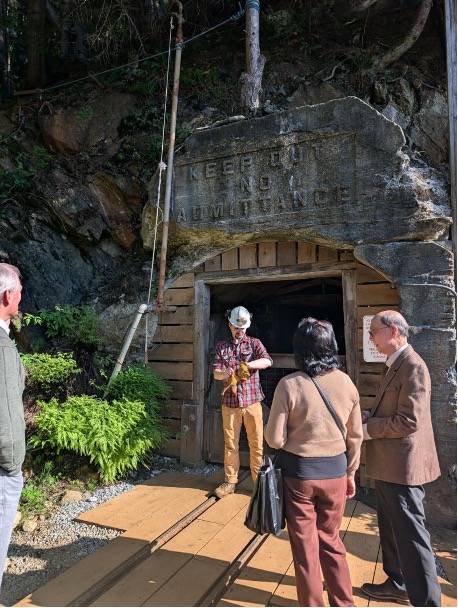
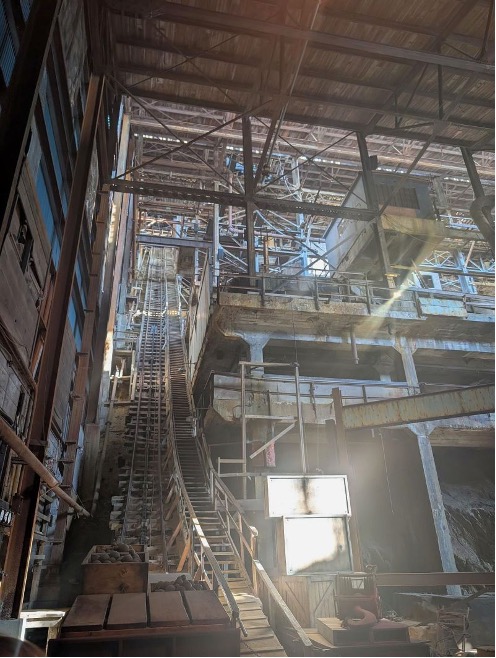
Heritage is alive – not static or confined to the past, but something we actively experience, shape, and carry forward. The conference design emphasized “Living Connections”: walking tours, site visits, and case studies grounded learning in place and relationships. Heritage is an ongoing dialogue between people, land, and stewardship – one that includes climate pressures, development, and changing community needs.
-
Indigenization – strong relationships are foundational to meaningful reconciliation with Indigenous partners and communities. Christy Smith (K’ómoks Nation member and Senior VP at Falkirk Consulting) emphasized aligning values and being on the same page about what reconciliation means, co-development (highlighted below), and the importance of follow-up after a project ends. Time-limited projects make this challenging, so it’s important to think deeply at the beginning how relationships will continue and how to maintain accountability.
-
Partnerships – sometimes complex, messy or slow, partnerships are critical for the success of many projects – especially place-based and/or large-scale. The visionary renewal of Britannia Village next to Britannia Mine Museum – led by Macdonald Communities and Adera Development working with Provincial and local government, Squamish Nation archaeologists and artists, plus contractors and historians – is a powerful example of what partnerships can achieve.
-
Co-development and user-centred design – bringing heritage to life works best when people are meaningfully involved in shaping it. Real engagement means participants influence outcomes. It was inspiring to hear how developer Matthews West interpreted Squamish school kids’ ideas into Sp’akw’us Feather Park’s play area, integrating Squamish Nation stories and design.
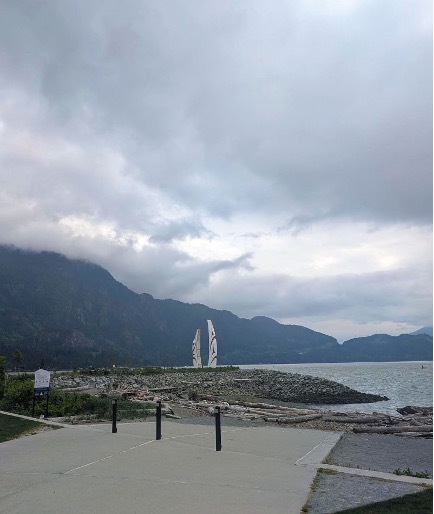
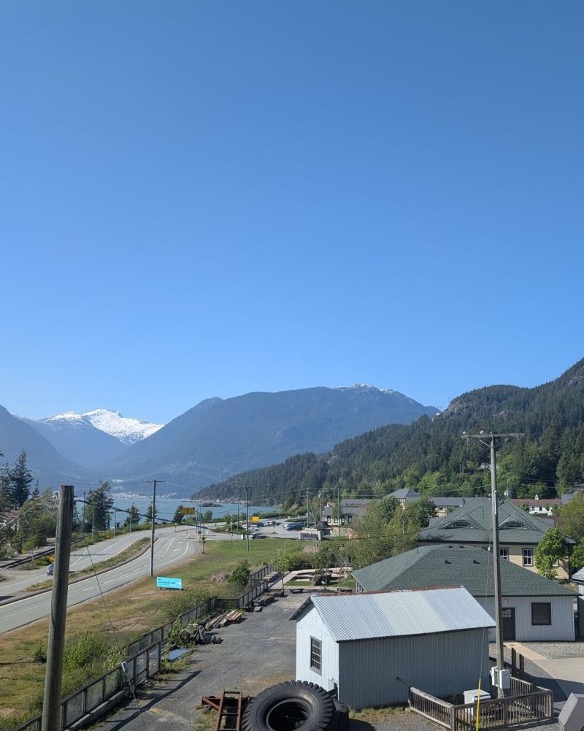
Importance of place – it was wonderful how the conference immersed delegates into Squamish and Britannia Beach, focusing on local case studies and relationships tied to the land. Focusing deeply on one place made the learning more, not less, relevant. The insights have relevance across the province and beyond. I’m currently digesting how they relate to our heritage practice (strategic planning, feasibility studies, program evaluations, impact assessments, policy dev) in other areas of Canada and internationally.